
The Institute for Studies and Development of Galicia (IDEGA), at the University of Santiago de Compostela, is participating in the European project ACTIVE-N (Action for Communities in Teleassistance and Integration of Vulnerable Populations Facing Natural Hazards), an international initiative that seeks to improve the resilience of communities to natural hazards and climate change.
The project, which will run until May 2028, has a total budget of almost €2.9 million and is 75% funded by the European Regional Development Fund (ERDF) under the Interreg Atlantic Area program.
An Innovative Approach Integrating Social Inclusion and Climate Adaptation
ACTIVE-N is based on the idea that environmental risks and social vulnerability are deeply interconnected. Therefore, the initiative proposes integrating telecare tools, geolocation systems, and land-use planning to improve prevention, response, and recovery from events such as floods, fires, and droughts.
Furthermore, the project promotes the active participation of vulnerable people, not only as beneficiaries but also as key agents in climate change adaptation.
The role of IDEGA in the project
Within the framework of this initiative, IDEGA will contribute its cartographic knowledge and experience in Geographic Information Systems (GIS), helping to develop spatial analysis tools and risk mapping.
This work will improve the identification of vulnerable areas, optimize land-use planning, and support decision-making by public administrations and other stakeholders.
An international cooperation project
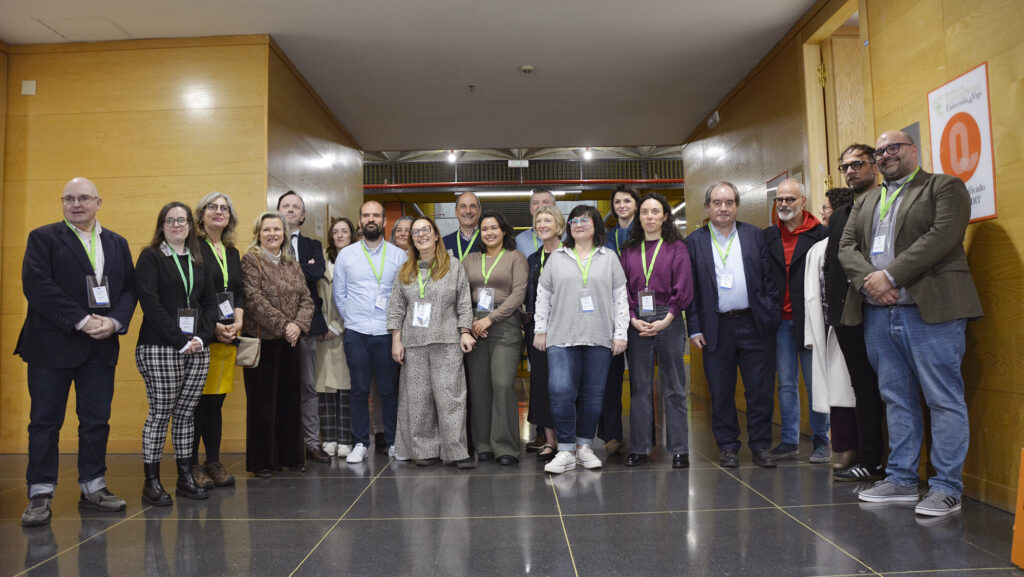
ACTIVE-N brings together universities, research centers, public administrations, and social organizations from several countries in the Atlantic Area, promoting transnational cooperation to address common challenges.
Through this collaboration, it is hoped to develop innovative and replicable solutions that contribute to building more resilient, inclusive and sustainable territories.