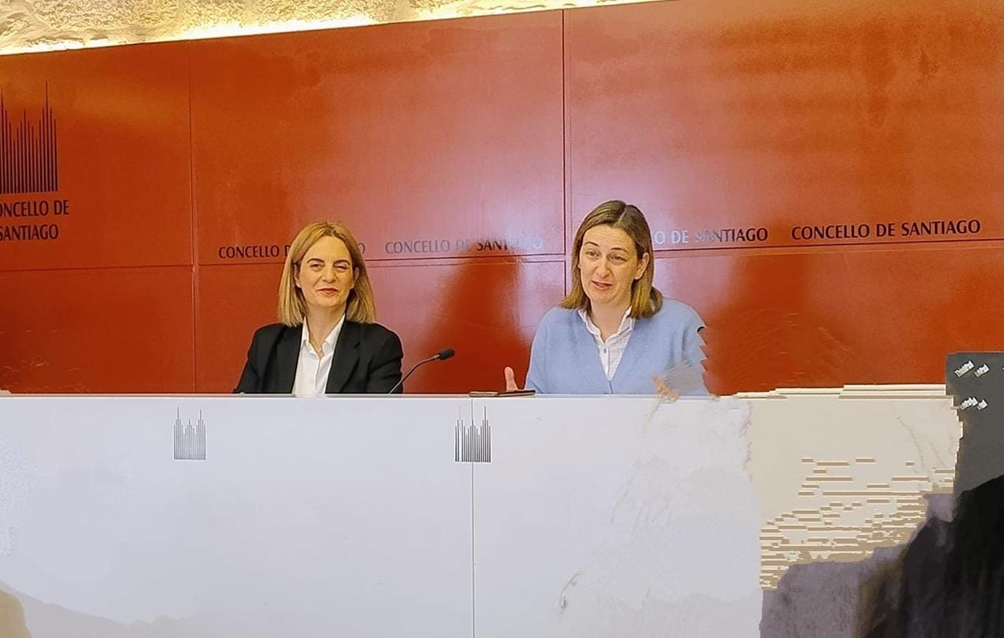
The University Institute for Studies and Development of Galicia (IDEGA) participated in a new working meeting of the European Interreg Atlantic Sunset project. The meeting brought together the initiative’s partners to further coordinate activities, share progress made, and define next steps.
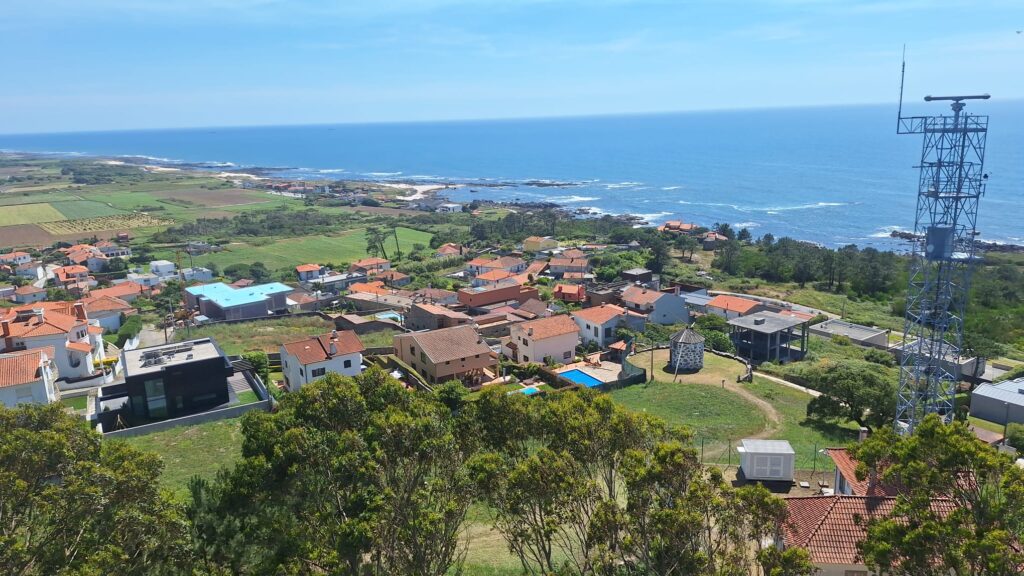
Participating in the meeting were Professors Rubén Camilo Lois, from the Faculty of Geography and History, and Jorge Mira, from the Faculty of Physics, and researcher Paula Noya, members of the USC research team working on developing a destination in Cabo Touriñán and Cabo Ortegal, a UNESCO Geopark.
Atlantic Sunset aims to promote the sunsets along the European Atlantic coast as a sustainable, innovative, and distinctive tourism resource. The initiative analyzes the potential of sunsets, night tourism, and astrotourism to boost territorial development, diversify the tourism offerings, and reduce the seasonality of destinations. In the case of A Costa da Morte, the IDEGA team is studying how the landscape, the Atlantic horizon, and the quality of the night sky contribute to creating unique tourism experiences linked to the territory’s identity.
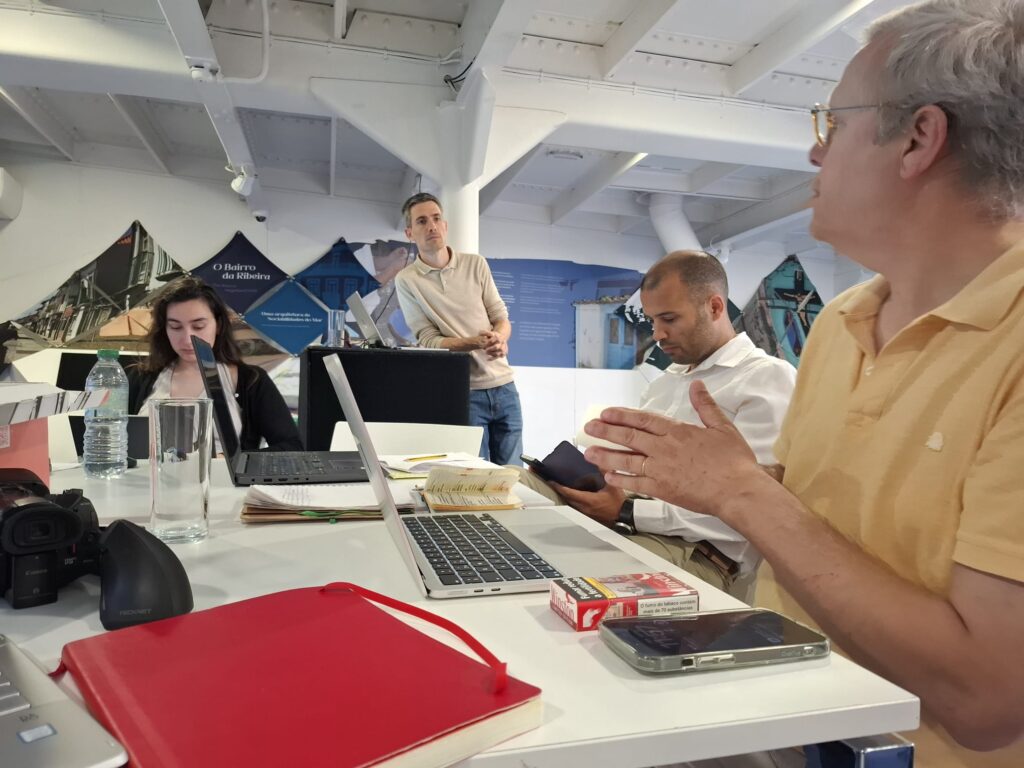
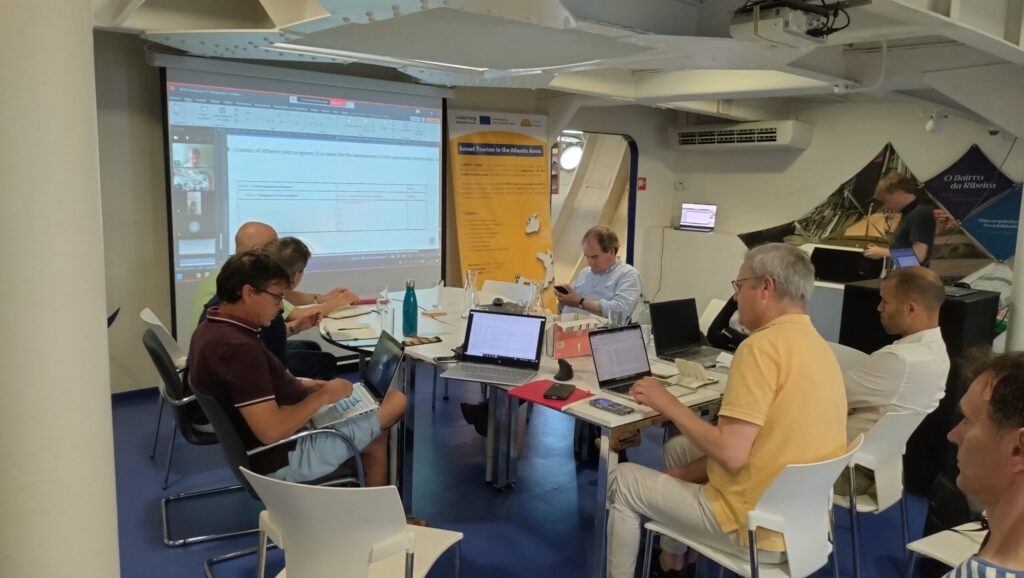
Atlantic Sunset promotes a tourism model based on environmental protection, the participation of local communities, and the enhancement of natural and cultural heritage, strengthening cooperation among European Atlantic territories and moving towards more integrated and sustainable tourism governance. The meeting reinforced cooperation among the partners to advance in defining shared tools and strategies and, ultimately, the initiative’s objectives.
The Atlantic Sunset project, funded by the European Union through the Interreg Atlantic Area program, seeks to create a network of Atlantic territories that share this unique sunset heritage. The network includes locations in Spain, Portugal, France, Ireland, and other points along the European coast, which collaborate on promoting sustainable tourism, scientific outreach, and cultural cooperation. Project partners include the CEER Foundation (coordinator), the University of Santiago de Compostela, the University of Seville, the University of Porto, the University of Angers, the National University of Ireland, Galway, and Wireless Galicia.